Spire: The Dark Fantasy TTRPG and Who It's For
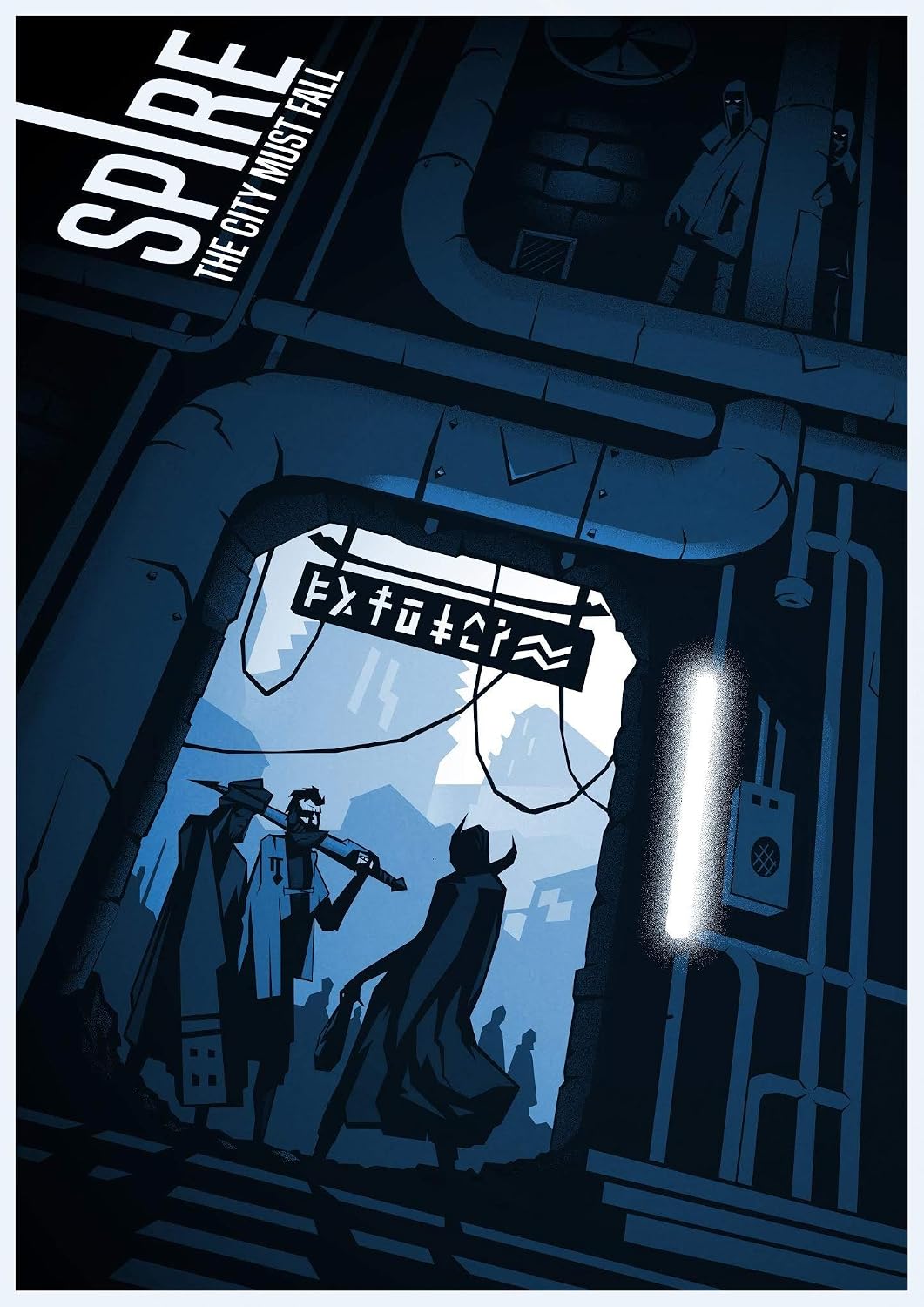
Spire is a tabletop role-playing game (TTRPG) set in a dark fantasy city where players take on the roles of rebels fighting against an oppressive ruling class. The game focuses on themes of resistance, sacrifice, and survival in a world where the odds are stacked against you.
Spire is a tabletop role-playing game (TTRPG) set in a dark fantasy city where players take on the roles of rebels fighting against an oppressive ruling class. The game focuses on themes of resistance, sacrifice, and survival in a world where the odds are stacked against you. It’s a game for those who enjoy storytelling, moral complexity, and a sense of desperation in their adventures. While it’s not the simplest TTRPG to pick up, it offers a unique experience for players who are drawn to its themes and tone.
At a Glance
| Best for | Players who enjoy dark fantasy and narrative-driven rebellion stories |
| Rules weight | Medium |
| GM required | Yes |
| Solo play | No |
| Session length | 2–4 hours |
| Players | 3–5 (including GM) |
What Playing Spire Actually Feels Like
Playing Spire feels like stepping into a gritty, oppressive world where every action carries weight. The city of Spire is a towering, labyrinthine metropolis ruled by the cruel and powerful Aelfir, a race of elite beings who exploit the drow, the oppressed underclass. As a drow rebel, your character is part of a secret organization called the Ministry, dedicated to overthrowing the Aelfir. The game is less about heroic victories and more about small, desperate acts of defiance that slowly chip away at the enemy’s power.
The tone of Spire is dark and intense. Your character will face moral dilemmas, suffer consequences for their actions, and often feel like they’re fighting a losing battle. For example, you might sabotage an Aelfir noble’s supply line, only to discover that your actions have caused innocent drow workers to lose their jobs and starve. The game encourages players to think creatively and use their resources wisely, but it also reminds you that every victory comes at a cost.
The setting is richly detailed, with a focus on the city itself. Spire is a vertical city, with layers of society stacked on top of each other. The lower levels are dark, cramped, and dangerous, while the upper levels are luxurious and decadent. Moving between these layers is a core part of the game, and it creates a sense of tension and exploration. You’ll navigate through slums, temples, markets, and palaces, each with its own challenges and opportunities.
The game also emphasizes collaboration and storytelling. While the Game Master (GM) sets the scene and controls the world, players have a lot of input into the narrative. The system encourages improvisation and creative problem-solving, and the story often takes unexpected turns based on player choices. This makes Spire feel dynamic and unpredictable, but it also requires players to be comfortable with uncertainty and ambiguity.
How Heavy Are the Rules?
Spire’s rules are medium-weight, meaning they’re not as simple as some beginner-friendly TTRPGs but not as complex as games like Dungeons & Dragons (D&D). The core system is based on rolling d10s (ten-sided dice) and comparing the results to a target number. If you roll equal to or higher than the target, you succeed. If you roll lower, you fail but gain resources called stress and fallout, which represent the toll your actions take on your character.
Stress and fallout are central to the game’s mechanics. Stress is a temporary penalty that builds up as your character takes risks or pushes themselves too hard. Fallout is the long-term consequences of those risks, ranging from minor injuries to catastrophic failures. Managing stress and fallout is a key part of playing Spire, and it adds a layer of strategy and tension to the game. For example, you might decide to push your luck and take a risky action, knowing that it could lead to fallout later on.
Character creation is relatively straightforward but requires some familiarity with TTRPG concepts. Players choose a class, called a calling, which defines their abilities and role in the Ministry. Each calling has unique skills and powers, and players can customize their character by choosing from a list of advancements. The process is more narrative-driven than in some games, with a focus on creating a character who fits the world and the story.
One potential challenge for beginners is the game’s reliance on improvisation and player-driven storytelling. While the rules provide structure, they also leave a lot of room for interpretation and creativity. This can be intimidating for players who are new to TTRPGs or prefer more structured systems. Additionally, the game’s focus on stress and fallout means that failure is a common and expected part of the experience, which might be frustrating for players who prefer a more heroic or optimistic tone.
Do You Need a Game Master?
Yes, Spire requires a Game Master (GM). The GM’s role is to describe the world, control non-player characters (NPCs), and adjudicate the rules. They also create and run the adventures, which involve setting up scenarios, challenges, and conflicts for the players to navigate. The GM is responsible for maintaining the tone and pacing of the game, which is especially important in Spire given its dark and intense themes.
Being a GM in Spire can be challenging, especially for beginners. The game relies heavily on improvisation and player-driven storytelling, which means the GM needs to be flexible and responsive to player choices. They also need to manage the game’s mechanics, including stress and fallout, and ensure that the story remains engaging and coherent. Additionally, the GM has to balance the game’s tone, which can be difficult given its dark and oppressive setting.
That said, Spire provides tools and guidance to help GMs. The rulebook includes advice on running the game, creating adventures, and managing the narrative. It also offers pre-written adventures and scenarios, which can be useful for new GMs who are still getting comfortable with the system. However, running Spire effectively still requires a certain level of experience and confidence, which might make it less accessible for complete beginners.
Players who are new to TTRPGs might want to start with a more beginner-friendly game before taking on the role of GM in Spire. Alternatively, they could play as a character first to get a feel for the game and its mechanics before attempting to run it themselves.
What to Buy First
If you’re interested in playing Spire, the first thing you’ll need is the core rulebook, titled Spire: The City Must Fall. This book contains all the rules, character creation options, and setting information you need to play the game. It also includes advice for running the game, creating adventures, and managing the narrative. The rulebook is well-written and beautifully illustrated, making it a great introduction to the world of Spire.
The core rulebook is available in both physical and digital formats. If you prefer a physical copy, you can purchase it from retailers like Amazon. A digital copy is also available from platforms like DriveThruRPG. Both formats include the same content, so the choice comes down to personal preference.
In addition to the core rulebook, there are a few supplements and expansions available for Spire. These include Strata, which provides additional setting details and adventures, and Blood & Dust, which introduces new callings and mechanics. While these supplements can enhance your experience, they’re not necessary to start playing. The core rulebook is all you need to get started.
Is Spire Good for Beginners?
Spire is not the easiest TTRPG for beginners, but it’s not the hardest either. The rules are medium-weight, and the game’s focus on storytelling and improvisation can be challenging for players who are new to the hobby. Additionally, the game’s dark and oppressive tone might not appeal to everyone, especially those who prefer more lighthearted or heroic adventures.
That said, Spire can be a good choice for beginners who are drawn to its themes and setting. The game’s narrative focus encourages creativity and collaboration, which can be rewarding for players who enjoy storytelling. The rules are relatively straightforward once you get the hang of them, and the game provides plenty of guidance for both players and GMs.
Yes if…
- You’re interested in dark fantasy and themes of resistance and sacrifice.
- You enjoy storytelling and improvisation.
- You’re comfortable with failure and consequences as part of the game experience.
No if…
- You’re looking for a simple, rules-light TTRPG.
- You prefer heroic or lighthearted adventures.
- You’re intimidated by improvisation and player-driven storytelling.
Spire vs D&D
Spire and Dungeons & Dragons (D&D) are both TTRPGs, but they offer very different experiences. D&D is a high-fantasy game focused on heroic adventures, combat, and exploration. Spire, on the other hand, is a dark fantasy game focused on rebellion, survival, and moral complexity. The two games appeal to different audiences and playstyles, so it’s worth considering what you’re looking for in a TTRPG before choosing between them.
One of the biggest differences is