Monster of the Week: What It Is and Who It's For
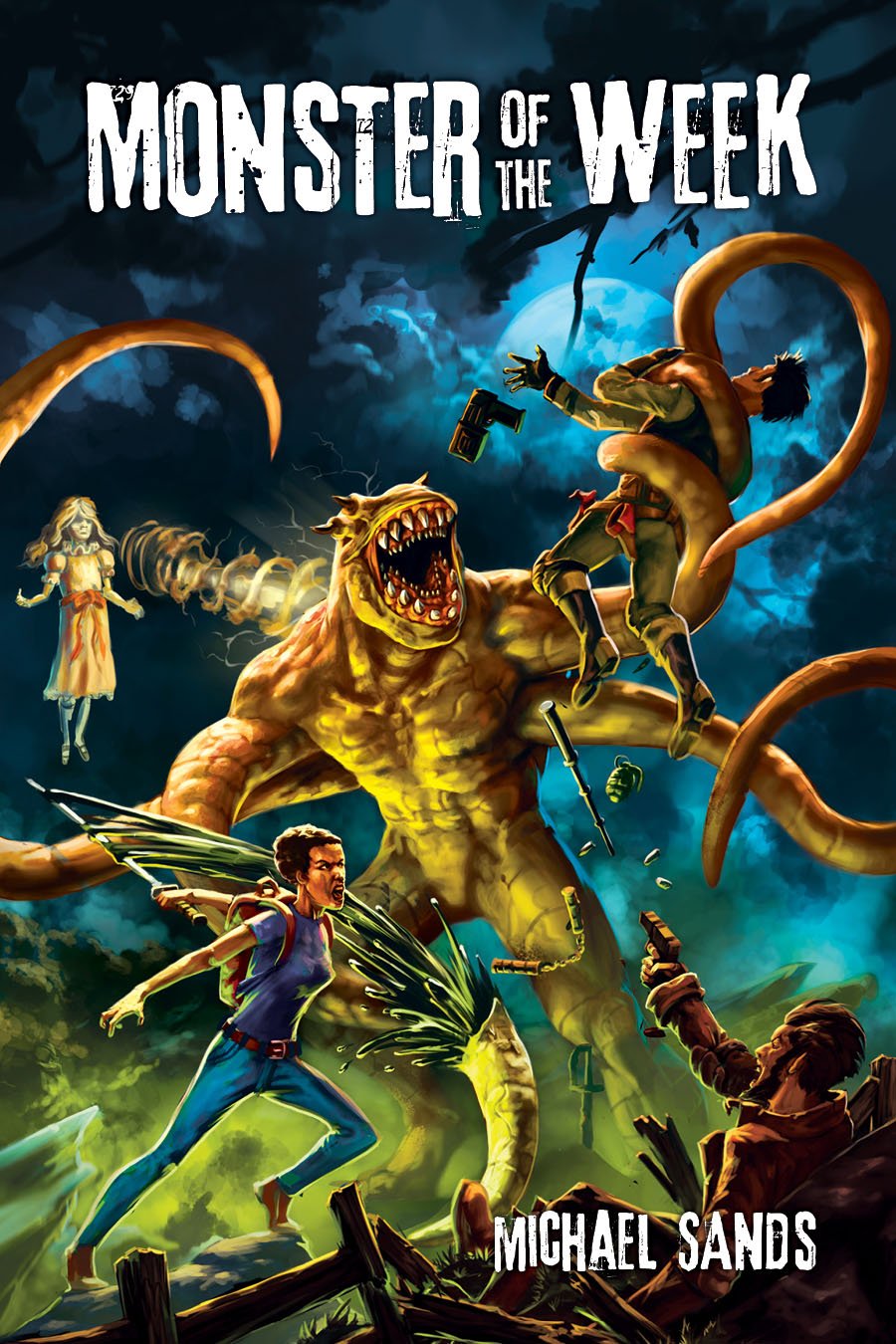
Monster of the Week is a tabletop RPG where players take on the roles of monster hunters, solving mysteries and fighting supernatural threats. It’s inspired by TV shows like Supernatural or Buffy the Vampire Slayer. The game focuses on episodic adventures, teamwork, and creative problem-solving.
Monster of the Week is a tabletop RPG where players take on the roles of monster hunters, solving mysteries and fighting supernatural threats. It’s inspired by TV shows like Supernatural or Buffy the Vampire Slayer. The game focuses on episodic adventures, teamwork, and creative problem-solving. It’s not a dungeon-crawling fantasy game—it’s about ordinary (or slightly extraordinary) people dealing with weird and dangerous creatures.
At a Glance
| Best for | Fans of monster-hunting TV shows and episodic storytelling |
| Rules weight | Light |
| GM required | Yes |
| Solo play | No |
| Session length | 2–4 hours |
| Players | 3–5 |
What Playing Monster of the Week Actually Feels Like
Playing Monster of the Week feels like being in an episode of a monster-hunting TV show. Each session is usually a self-contained mystery: the group investigates strange occurrences, figures out what kind of monster is behind it, and then tries to stop it. The tone can range from dark and serious to silly and over-the-top, depending on what the group prefers.
The game encourages improvisation and quick thinking. For example, if your character is a “Chosen One” (like Buffy), you might have a dramatic showdown with a vampire in a graveyard. If you’re a “Wronged” character (someone seeking revenge against monsters), you might set traps or use your knowledge of the supernatural to outsmart the creature. The rules are light enough that you can try almost anything, but there’s still structure to keep the game moving.
One key difference from games like Dungeons & Dragons is that combat isn’t the default solution. Fighting is dangerous, and monsters are often stronger than the hunters. You’ll need to gather clues, find weaknesses, and work as a team to survive. The game also emphasizes character relationships—your hunter might have a complicated bond with another player’s character, which adds drama and depth to the story.
How Heavy Are the Rules?
Monster of the Week uses the “Powered by the Apocalypse” (PbtA) system, which is rules-light compared to games like D&D. Instead of complex stats and grids, the game relies on simple moves triggered by player actions. For example, if you try to attack a monster, you roll +Cool (a stat) and consult the “Kick Some Ass” move. The outcome is usually a success, a partial success, or a failure, with clear consequences for each.
The rules are easy to learn but require flexibility from both players and the Game Master (called the Keeper). There’s no strict turn order or detailed combat rules—instead, the Keeper describes what happens based on the players’ actions and the dice results. This can be freeing for players who dislike memorizing rules, but it also means the Keeper has to think on their feet a lot.
Character creation is straightforward. You pick a “playbook” (a character archetype like “The Expert” or “The Flake”), fill in a few stats, and choose some special abilities. There’s no need to track experience points or level up in a traditional sense—instead, characters grow by resolving their personal storylines or achieving goals.
Do You Need a Game Master?
Yes, Monster of the Week requires a Game Master (called the Keeper). The Keeper’s job is to create the mystery, play the monsters and NPCs, and guide the story based on the players’ actions. This is a big responsibility, especially since the game relies heavily on improvisation. The Keeper doesn’t just follow a script—they have to adapt to whatever the players do.
That said, the game provides tools to make the Keeper’s job easier. The book includes guidelines for creating mysteries, designing monsters, and keeping the story moving. There’s also a “countdown” system that helps the Keeper track how the monster’s plan progresses if the hunters don’t stop it in time. If you’re new to GMing, Monster of the Week is one of the easier games to start with, but it still requires preparation and creativity.
If no one in your group wants to be the Keeper, this might not be the game for you. Unlike some RPGs that offer GM-less play, Monster of the Week is built around having one person guide the story. However, the Keeper doesn’t have to be an expert—just someone willing to learn and think creatively.
What to Buy First
The only book you need to start playing is the Monster of the Week (Revised) core rulebook. It contains all the rules, character creation, and advice for both players and Keepers. You don’t need dice sets or miniatures—just two six-sided dice (2d6) per player, which you probably already have at home.
Monster of the Week (Revised) is available in print and PDF. The book is well-organized and beginner-friendly, with clear examples and step-by-step instructions for running the game. There are no mandatory expansions or supplements, though you can find additional playbooks and adventures online if you want more options later.
If you’re playing online, the PDF is a good choice, but the print book is easier to reference during play. Some groups also find it helpful to print out character sheets or use digital tools like Roll20, which has built-in support for Monster of the Week.
Is Monster of the Week Good for Beginners?
Monster of the Week is a decent choice for beginners, but it has some challenges. The rules are simple, but the game relies heavily on improvisation and creativity, which can be intimidating if you’re new to RPGs. Players who prefer structure or clear-cut rules might struggle with the open-ended nature of the game.
Yes if…
- You like TV shows about monster hunting and want a game that feels like an episode of Supernatural or The X-Files.
- You enjoy collaborative storytelling and don’t mind making up details on the fly.
- Your group is okay with a Game Master who has to improvise a lot.
No if…
- You want a game with strict rules and tactical combat (like D&D).
- You’re uncomfortable with improvisation or prefer a more guided experience.
- No one in your group is willing to be the Keeper.
For absolute beginners, it might help to start with a pre-made mystery (included in the book) to get a feel for the game. The Keeper should read the rules thoroughly and be prepared to guide the players, especially if they’re new to RPGs.
Monster of the Week vs D&D
Monster of the Week and Dungeons & Dragons are very different games. D&D is a high-fantasy RPG focused on exploration, combat, and leveling up characters over a long campaign. Monster of the Week is episodic, rules-light, and centered on solving mysteries and fighting monsters in a modern setting.
Combat is the biggest difference. In D&D, fights are tactical, with grids, initiative order, and detailed abilities. In Monster of the Week, combat is fast and narrative-driven—you describe what you do, roll a move, and the Keeper decides what happens next. There’s no grid or turn order, which makes fights quicker but less strategic.
Another key difference is character progression. In D&D, you gain levels, unlock new abilities, and collect loot. In Monster of the Week, characters improve by resolving personal arcs or achieving goals, not by grinding experience points. The focus is on storytelling, not power growth.
If you like D&D but want something simpler and more narrative-driven, Monster of the Week could be a good change of pace. But if you love D&D’s crunchiness and long campaigns, this might feel too loose or short-term.
Best Adventures for Monster of the Week
The Monster of the Week rulebook includes a starter mystery called “The Janus Temple,” which is perfect for beginners. It’s a self-contained adventure with a clear structure, pre-made hunters, and a creepy monster. Running this first is a great way to learn the game.
For more adventures, check out Tome of Mysteries, a supplement with additional mysteries, monsters, and Keeper advice. Some standout adventures include:
- “The Haunting of Blackwater Farm”: A classic ghost story with a twist.
- “The Jersey Devil”: A modern take on the legendary creature, with plenty of investigation.
You can also create your own mysteries using the book’s guidelines. A good mystery has:
- A hook (e.g., “people are disappearing in the woods”).
- Clues leading to the monster (e.g., strange footprints, local