Alice Is Missing: The Silent, Cooperative TTRPG
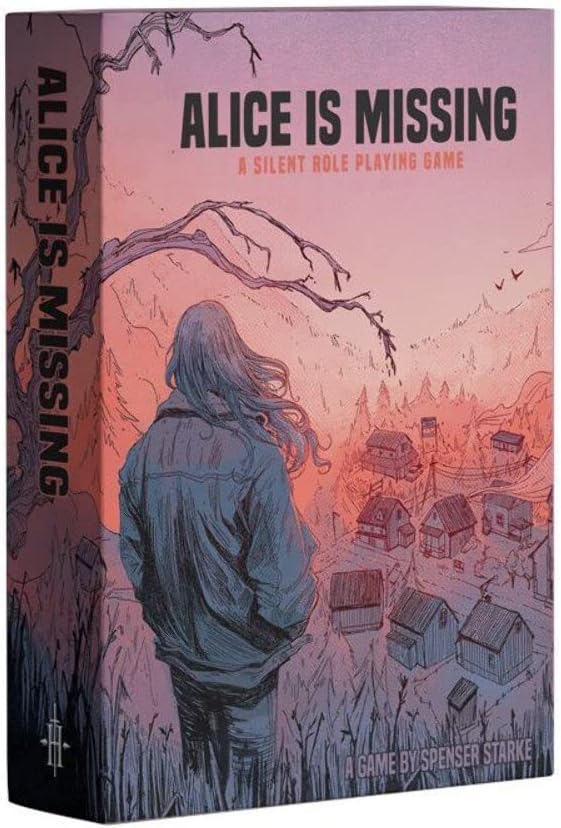
Alice Is Missing is a unique tabletop role-playing game (TTRPG) that focuses on storytelling and collaboration rather than combat or complex rules. It’s designed to be played silently, using text messages or written notes, and revolves around solving the mystery of a missing teenager named Alice.
Alice Is Missing is a unique tabletop role-playing game (TTRPG) that focuses on storytelling and collaboration rather than combat or complex rules. It’s designed to be played silently, using text messages or written notes, and revolves around solving the mystery of a missing teenager named Alice. The game is emotional, immersive, and requires players to work together to piece together clues and uncover the truth. If you’re looking for a game that’s more about narrative and less about dice rolls, Alice Is Missing might be for you.
At a Glance
| Best for | Emotional storytelling and mystery-solving |
| Rules weight | Light |
| GM required | No |
| Solo play | No |
| Session length | 90-120 minutes |
| Players | 3-5 |
What Playing Alice Is Missing Actually Feels Like
Playing Alice Is Missing feels like being part of a tense, emotional mystery movie. The game is designed to be played silently, which means players communicate through text messages or notes instead of speaking out loud. This creates a unique atmosphere where the tension builds slowly, and every message feels important. The silence forces players to think carefully about what they say and how they contribute to the story.
The game is structured around a timer, which adds urgency to the experience. As the clock ticks down, players race to uncover clues, share information, and piece together what happened to Alice. This urgency can make the game feel intense, but it also keeps everyone engaged and focused on the story.
Because Alice Is Missing is so narrative-driven, it relies heavily on player creativity. You’ll need to imagine the town of Silent Falls, the characters involved, and the events leading up to Alice’s disappearance. This can be challenging for some players, especially if they’re not used to improvising or creating stories on the fly. However, the game provides prompts and guidelines to help you get started.
The emotional tone of the game is another key aspect. Alice Is Missing deals with serious themes like loss, fear, and uncertainty. Players are encouraged to explore these emotions through their characters, which can make the experience feel deeply personal. If you’re someone who enjoys games that make you think and feel, Alice Is Missing could be a great fit.
How Heavy Are the Rules?
Alice Is Missing has very light rules compared to many other TTRPGs. The game is designed to be accessible, even for people who’ve never played a tabletop RPG before. There’s no need to memorize complex mechanics or spend hours preparing before you play. Instead, the rules focus on guiding the narrative and keeping the game moving smoothly.
The game uses a timer to structure play, which means you don’t have to worry about managing turns or keeping track of initiative. Players send text messages or notes to each other, and the story unfolds naturally through these interactions. The rules provide prompts and suggestions for what to include in your messages, but you’re free to interpret them however you like.
One of the few mechanics in the game is the use of Clue Cards. These cards provide information about Alice’s disappearance and help players piece together the mystery. You’ll draw Clue Cards at specific intervals during the game, and they’ll guide the direction of the story. This mechanic is simple but effective, and it ensures that everyone stays on the same page.
Overall, the rules of Alice Is Missing are more about creating a framework for storytelling than about controlling every detail of the game. If you’re someone who prefers games with lots of structure and detailed mechanics, this might feel a bit too loose for you. But if you enjoy creative freedom and collaborative storytelling, the light rules will likely be a plus.
Do You Need a Game Master?
Alice Is Missing does not require a Game Master (GM). Instead, the game is designed to be played cooperatively by all participants. This means everyone shares the responsibility of guiding the story and keeping the game on track. There’s no single person in charge, which can make the experience feel more democratic and inclusive.
The lack of a GM also means that everyone gets to focus on playing their own character and contributing to the narrative. You won’t have to worry about preparing adventures or managing NPCs, as the game provides all the tools you need to create the story together. This can be a refreshing change for players who are used to traditional TTRPGs where one person takes on the GM role.
However, the absence of a GM also means that players need to be proactive and engaged. Without someone to steer the story, it’s up to everyone to keep the game moving and make sure things don’t stall. This can be challenging for some groups, especially if players are shy or unsure how to contribute. If you’re playing with people who are new to TTRPGs, you might need to encourage them to take initiative and share their ideas.
Overall, the GM-less design of Alice Is Missing makes it a great choice for groups who want to collaborate equally on a story. It’s also a good option for players who want to try a TTRPG without the pressure of being a GM. Just be prepared to take an active role in shaping the narrative.
What to Buy First
To play Alice Is Missing, you’ll need the core game box. This includes everything you need to get started, including Clue Cards, Character Cards, and a rulebook. The game is designed to be played with 3–5 players, and each player will need a smartphone or pen and paper to communicate during the game.
You can purchase the game online through various retailers. Here’s a link to buy it on Amazon: Alice Is Missing.
In addition to the core game, you might want to consider picking up a timer or stopwatch to keep track of the game’s countdown. While the game includes a timer in the form of a playlist, having a physical timer can make it easier to manage. You’ll also need a quiet, comfortable space to play, as the game’s silent nature requires focus and concentration.
Is Alice Is Missing Good for Beginners?
Alice Is Missing can be a good choice for beginners, but it’s not necessarily the easiest TTRPG to start with. The game’s focus on storytelling and improvisation can be challenging for players who are new to tabletop RPGs. If you’re not used to creating narratives on the fly, you might feel overwhelmed or unsure how to contribute.
That said, the game’s light rules and GM-less design make it accessible in other ways. You don’t need to learn complex mechanics or spend hours preparing before you play. The game provides plenty of prompts and guidelines to help you get started, and the cooperative nature means you’re not alone in shaping the story.
One potential challenge for beginners is the emotional intensity of the game. Alice Is Missing deals with serious themes like loss and fear, and players are encouraged to explore these emotions through their characters. If you’re not comfortable with heavy themes or emotional role-playing, this might not be the right game for you.
Yes if…
- You enjoy storytelling and improvisation.
- You’re comfortable with emotional, serious themes.
- You want a game that’s easy to learn but still immersive.
No if…
- You prefer games with lots of structure and detailed rules.
- You’re not comfortable with heavy emotional content.
- You’re looking for a game with combat or action.
Alice Is Missing vs D&D
Alice Is Missing is very different from Dungeons & Dragons (D&D), which is one of the most popular TTRPGs. While D&D focuses on combat, exploration, and character progression, Alice Is Missing is all about storytelling and collaboration. Here are some key differences between the two games:
Rules Complexity: D&D has a lot of rules and mechanics, especially around combat and character abilities. Alice Is Missing, on the other hand, has very light rules and focuses more on narrative than mechanics.
Game Master: D&D requires a Game Master (GM) to run the game and control the world. Alice Is Missing is GM-less, meaning all players share the responsibility of guiding the story.
Tone and Themes: D&D often has a heroic, adventurous tone, with players taking on the roles of powerful characters who fight monsters and save the day. Alice Is Missing is darker and more emotional, dealing with themes like loss, fear, and uncertainty.
Play Style: D&D is played out loud, with players describing their actions and rolling dice to determine outcomes. Alice Is Missing is played silently, with players communicating through text messages or notes.
If you’re looking for a game with lots of action and detailed mechanics, D&D might be a better fit. But if you prefer a more narrative-driven, emotional experience, Alice Is Missing could be the right choice.
Best Adventures for Alice Is Missing
Alice Is Missing is a self-contained game, meaning it doesn’t require separate adventures or expansions. The core game box includes everything you need to play, and each session is unique based on the choices players make. However, there are a few ways to customize your experience and keep the game fresh:
**Use Different Characters