Ravenloft: D&D's Horror Setting
Ravenloft is a horror-themed setting for Dungeons & Dragons (D&D). It’s a dark, gothic world filled with vampires, ghosts, cursed lands, and tragic villains. If you enjoy stories like Dracula or Frankenstein, Ravenloft might be for you.
Ravenloft is a horror-themed setting for Dungeons & Dragons (D&D). It’s a dark, gothic world filled with vampires, ghosts, cursed lands, and tragic villains. If you enjoy stories like Dracula or Frankenstein, Ravenloft might be for you. This guide explains what Ravenloft is, how to start playing in this setting, and whether it’s a good choice for beginners.
What Is Ravenloft?
Ravenloft is a campaign setting for Dungeons & Dragons that focuses on horror and gothic storytelling. Unlike standard D&D, where players might fight dragons or explore ancient ruins, Ravenloft is all about atmosphere, fear, and moral dilemmas. The setting is made up of isolated domains, each ruled by a dark lord—a powerful villain with a tragic backstory. These domains are trapped in a mysterious mist, and escaping them is often part of the adventure.
The most famous domain is Barovia, ruled by Count Strahd von Zarovich, a vampire lord. Strahd is a classic villain: charismatic, cruel, and tormented by his own choices. Other domains include Lamordia, a land inspired by Frankenstein, and Dementlieu, a twisted version of 18th-century France. Each domain has its own theme, monsters, and challenges.
Ravenloft is not just about fighting monsters. It’s about exploring dark themes like loss, betrayal, and the consequences of evil. Players often face tough choices, like whether to save an innocent person or stop a greater evil. The setting encourages roleplaying and storytelling, making it a good fit for players who enjoy immersive narratives.
The Best Entry Points
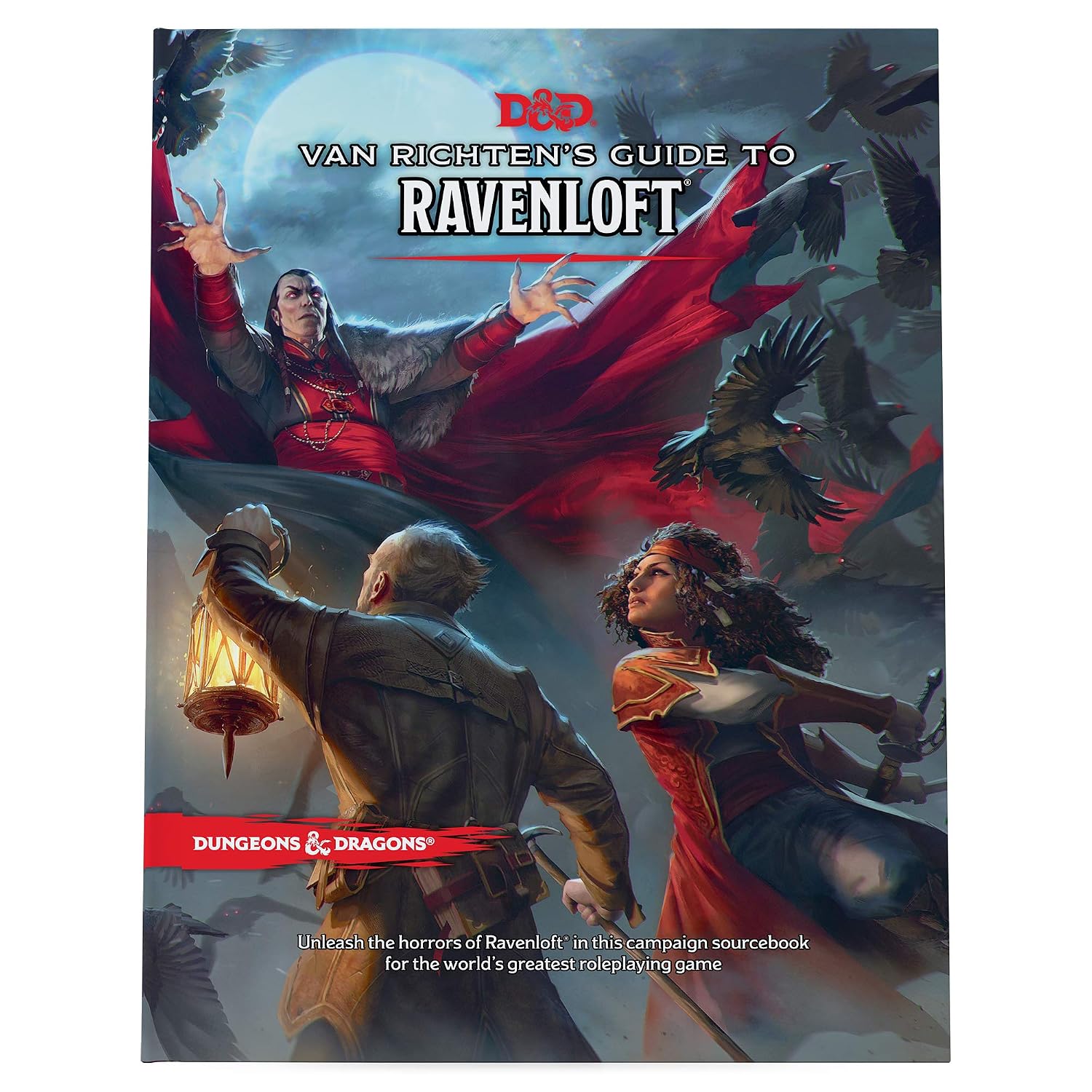
Van Richten’s Guide to Ravenloft — the sourcebook
Van Richten’s Guide to Ravenloft is the main sourcebook for playing in the Ravenloft setting. It’s a 320-page book that provides everything you need to run horror-themed D&D campaigns. The book includes detailed descriptions of the domains of Ravenloft, rules for creating your own domains, and advice on how to run horror games.
One of the best features of this book is the section on creating horror adventures. It explains how to build tension, scare your players, and create memorable villains. For example, it suggests using environmental storytelling—like describing a decrepit mansion with bloodstained walls—to set the mood. It also includes new character options, like Subclasses for clerics and warlocks, and Dark Gifts—special abilities that come with a cost, like being haunted by a ghost.
The book also introduces new mechanics, like Fear and Stress, which simulate the psychological toll of facing horrors. These rules are optional, so you can use them if you want to add more depth to your game. Overall, Van Richten’s Guide to Ravenloft is a great resource for Dungeon Masters (DMs) who want to run horror campaigns.
Buy Van Richten’s Guide to Ravenloft here
Curse of Strahd — the adventure
Curse of Strahd is a pre-written adventure set in Ravenloft. It’s one of the most popular D&D adventures ever published, and for good reason. The adventure takes players to Barovia, where they must confront Count Strahd von Zarovich and his dark domain. The story is a mix of exploration, combat, and roleplaying, with plenty of opportunities for players to make meaningful choices.
The adventure begins with the players being drawn into Barovia by a mysterious mist. Once inside, they must explore the land, gather allies, and uncover Strahd’s weaknesses. The adventure is sandbox-style, meaning players can explore Barovia in any order they choose. This makes it feel open and dynamic, but it can also be challenging for new DMs to manage.
One of the standout features of Curse of Strahd is its atmosphere. The book is filled with eerie descriptions, creepy NPCs, and tragic stories. For example, the village of Barovia is a bleak, depressing place where the villagers live in fear of Strahd. The adventure also includes a fortune-telling mechanic, which determines key elements of the story, like the location of Strahd’s weakness. This adds replayability, as the story can change each time you play.
Curse of Strahd is a great way to experience Ravenloft, but it’s not for everyone. The adventure is dark and intense, with themes of death and despair. It’s also challenging, both for players and DMs. If you’re new to D&D, you might want to start with a lighter adventure before diving into Curse of Strahd.
Is Ravenloft Good for Beginners?
Ravenloft can be a challenging setting for beginners, but it’s not impossible to start with. The key is understanding what makes Ravenloft different from standard D&D and deciding if it’s right for you.
For players, Ravenloft requires a willingness to engage with dark themes and roleplay in a horror setting. If you’re new to D&D, you might feel uncomfortable with the intense atmosphere or the moral dilemmas. However, if you enjoy horror movies or books, you might find Ravenloft exciting. It’s important to talk with your group about what kind of game you want to play and set boundaries for sensitive topics.
For DMs, Ravenloft can be harder to run than standard D&D. Horror games rely heavily on atmosphere and storytelling, which can be tricky to get right. You’ll need to describe scenes in a way that builds tension and keeps players engaged. Van Richten’s Guide to Ravenloft provides helpful advice for this, but it still takes practice. Running Curse of Strahd can be especially challenging, as the sandbox-style structure requires careful planning.
That said, Ravenloft can be a rewarding experience for beginners who are willing to put in the effort. The setting offers unique opportunities for roleplaying and storytelling, and the horror elements can make for memorable adventures. If you’re interested in trying Ravenloft, start with Van Richten’s Guide to Ravenloft and consider running a short horror adventure before tackling Curse of Strahd.
Ravenloft vs Standard D&D — How Different Is It?
Ravenloft is quite different from standard D&D in terms of tone, themes, and gameplay. Here’s how it compares:
Tone and Themes: Standard D&D is often heroic and adventurous, with players battling monsters and saving the day. Ravenloft, on the other hand, is dark and gothic. The focus is on horror, tragedy, and moral ambiguity. Players might face situations where there are no clear good or bad choices, and the consequences of their actions can be devastating.
Gameplay: In standard D&D, combat is a major part of the game. Ravenloft still has combat, but it’s often more dangerous and less frequent. Instead, the game emphasizes exploration, investigation, and roleplaying. Players might spend more time talking to NPCs, solving mysteries, or trying to survive in a hostile environment.
Atmosphere: Creating atmosphere is crucial in Ravenloft. DMs need to describe scenes in a way that builds tension and makes players feel uneasy. This can include using sound effects, dim lighting, or eerie music. Standard D&D doesn’t require this level of atmosphere, though it can enhance any game.
Mechanics: Ravenloft introduces new mechanics, like Fear and Stress, to simulate the psychological effects of horror. These rules are optional, but they add depth to the game. Standard D&D doesn’t have these mechanics, though some DMs might incorporate them into their games.
Overall, Ravenloft offers a unique experience that’s very different from standard D&D. It’s a great choice for players who enjoy horror and storytelling, but it’s not for everyone. If you’re new to D&D, you might want to try a standard campaign first to get comfortable with the rules before diving into Ravenloft.
Frequently Asked Questions
Q: Is Ravenloft suitable for younger players?
Ravenloft is darker and more mature than standard D&D, so it’s best suited for older teens and adults. Consider the group’s comfort level with horror themes before playing.
Q: Can I use Ravenloft content in other D&D settings?
Yes, you can adapt Ravenloft’s horror elements—like domains or Dark Gifts—into other settings, but they may require adjustments to fit the tone.
Q: Do I need to buy Van Richten’s Guide if I already own Curse of Strahd?
While Curse of Strahd is a standalone adventure, Van Richten’s Guide offers additional tools and resources for running horror campaigns, making it a worthwhile addition.