Exandria: The World of Critical Role
Exandria is the fantasy setting created by Dungeon Master Matthew Mercer for Critical Role, a popular actual-play tabletop RPG show. If you’re new to RPGs and discovered them through Critical Role, Exandria might be your first exposure to a fully fleshed-out world.
Exandria is the fantasy setting created by Dungeon Master Matthew Mercer for Critical Role, a popular actual-play tabletop RPG show. If you’re new to RPGs and discovered them through Critical Role, Exandria might be your first exposure to a fully fleshed-out world. But playing in Exandria isn’t the same as watching the show—here’s what you need to know before diving in.
What Is Exandria?
Exandria is a high-fantasy world with gods, magic, and sprawling continents, designed for Dungeons & Dragons. It started as Mercer’s homebrew setting for his private games before becoming the backdrop for Critical Role. Unlike generic D&D settings like the Forgotten Realms, Exandria has a distinct tone: epic storytelling, morally complex villains, and deep lore tied to the show’s events.
The world is divided into major regions: Tal’Dorei (a classic fantasy continent), Wildemount (a politically tense land with warring factions), and Marquet (a desert-heavy continent with intrigue). Each has its own cultures, conflicts, and history. For example, Wildemount features the Dwendalian Empire, a rigid monarchy clashing with rebel factions, while Tal’Dorei has recovering city-states after a near-apocalyptic event.
Exandria is not a rules-light setting. If you’re new to RPGs, expect to learn D&D’s core mechanics first—spell slots, ability checks, and combat rules—before layering on Exandria’s lore. That said, the setting rewards players who enjoy political intrigue, deep worldbuilding, and long-term character arcs. If you want a game where your choices shape the world (and where your DM might reference Critical Role lore), Exandria delivers.
Where Each Critical Role Campaign Is Set
Critical Role has three main campaigns (and several shorter ones), each set in different parts of Exandria. Knowing where they take place helps if you want to play in a familiar location or avoid spoilers from the show.
Campaign 1: Vox Machina (Tal’Dorei) – The original campaign follows heroes dealing with dragons, necromancers, and god-level threats. Tal’Dorei is classic high fantasy, with elves in sylvan forests, dwarves in mountain holds, and humans in bustling cities. The Tal’Dorei Campaign Setting book (now reborn as Tal’Dorei Campaign Setting Reborn) covers this era.
Campaign 2: The Mighty Nein (Wildemount) – A grittier story set in Wildemount, where the party navigates war, espionage, and personal demons. Wildemount is more politically charged, with factions like the Empire, the Kryn Dynasty, and the Cerberus Assembly pulling strings. The Explorer’s Guide to Wildemount is the primary sourcebook here.
Campaign 3: Bells Hells (Marquet) – The current campaign explores Marquet, a continent with Middle Eastern and North African influences, airships, and a megacity called Jrusar. No official book exists yet, so DMs must homebrew or adapt older materials.
If you’re new to Critical Role, Wildemount is the easiest starting point—it’s designed for D&D newcomers, with clear factions and adventure hooks. Tal’Dorei works if you prefer traditional fantasy, but its original book is outdated (the Reborn version fixes this).
What to Buy to Play in Exandria
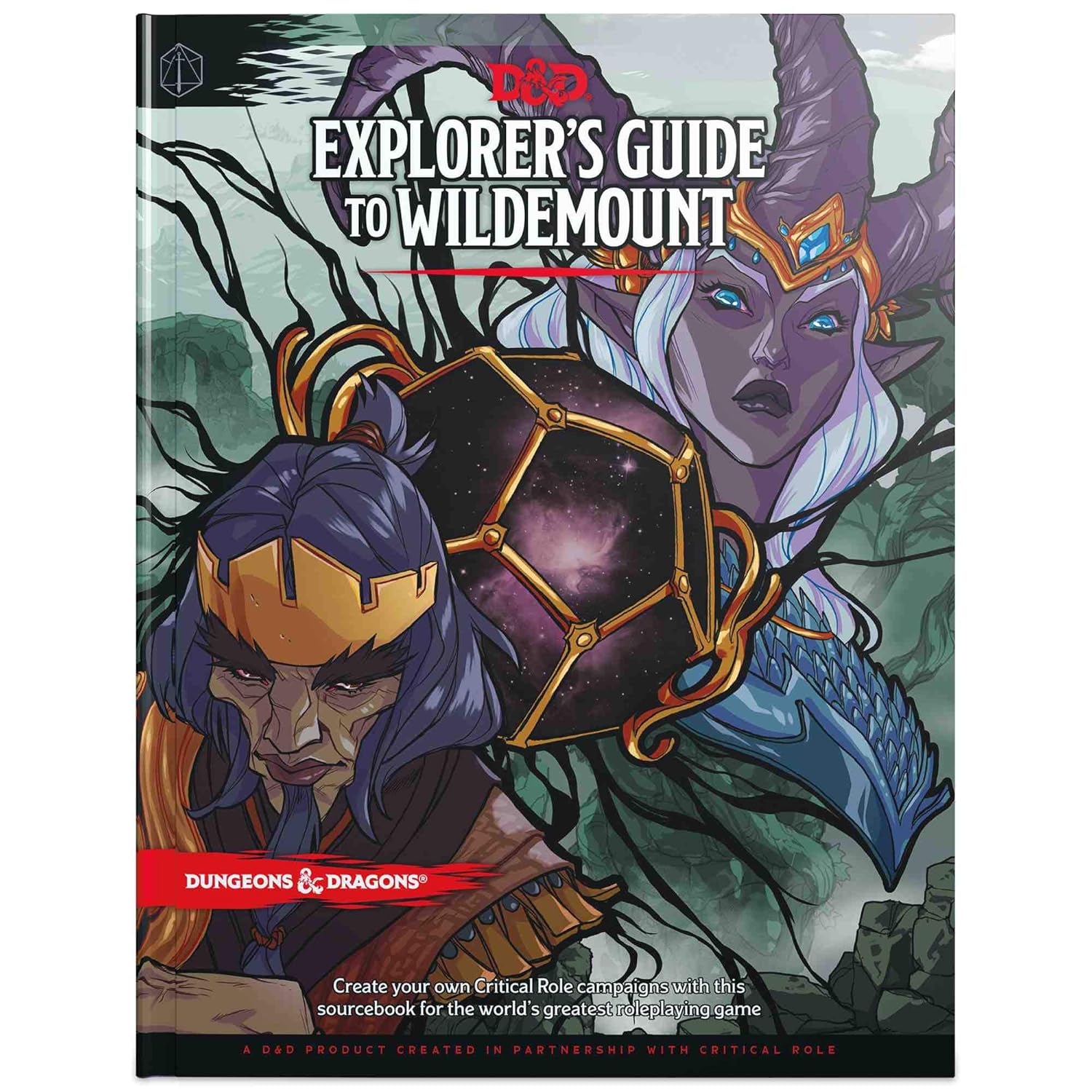
Explorer’s Guide to Wildemount
The Explorer’s Guide to Wildemount is the best entry point for beginners. It includes:
- Four starter adventures – Each ties to a different region, so you can try political intrigue in Zadash or survival horror in Eiselcross.
- New player options – Subclasses like the Echo Knight (a fighter who summons duplicates) and spells like Gravity Sinkhole add unique flavor.
- Faction guides – The book explains how groups like the Empire or the Kryn operate, making it easy to drop your players into conflicts.
The book assumes you know basic D&D rules, so pair it with the D&D Starter Set if you’re completely new. The adventures are short (2–3 sessions), which helps beginners test the waters without committing to a year-long campaign.
Critical Role: Call of the Netherdeep
Call of the Netherdeep is a standalone adventure (levels 1–13) set in Exandria but not tied to a specific campaign. It’s a good choice if:
- You want a pre-written story with less prep work than Wildemount’s sandbox.
- You like emotional, character-driven plots (the adventure focuses on rivalry and redemption).
- You’re okay with some Critical Role lore references (e.g., the god-like being Ruidus).
However, it’s not ideal for absolute beginners. The adventure expects DMs to handle flashbacks, dream sequences, and a rival NPC party—complex for first-timers.
Playing Exandria vs Watching Critical Role — What’s Different
Watching Critical Role might make Exandria seem like a world of perfect improv and cinematic battles. In reality, your game will be messier, slower, and more collaborative. Here’s how playing differs:
1. Your game won’t sound like the show. Critical Role has professional voice actors and years of experience. Most tables have awkward pauses, rules confusion, and jokes that derail scenes—and that’s normal. Don’t hold yourself to Mercer’s standard.
2. The lore isn’t mandatory. You don’t need to memorize Critical Role episodes to play. The books give enough context, and DMs can change anything. If your group doesn’t care about the Raven Queen’s backstory, skip it.
3. Combat is slower. On the show, battles are edited for pacing. In real life, expect to spend 10 minutes debating whether to Fireball or retreat. Beginners often find combat overwhelming—practice with small encounters first.
4. You don’t need epic stakes. Critical Role often deals with world-ending threats, but your game can be small-scale: a tavern brawl, a missing person case, or a heist. Exandria supports both.
If you’re coming from the show, temper expectations—your game will be unique, not a replica. That’s a good thing.
Frequently Asked Questions
Q: Do I need to watch Critical Role to enjoy Exandria?
No—the official books provide all the lore you need to play. While the show adds depth, Exandria is designed to work as a standalone D&D setting.
Q: Which Exandria book is best for first-time DMs?
Explorer’s Guide to Wildemount is the most beginner-friendly, with structured adventures and clear faction guides. Avoid Call of the Netherdeep until you’re comfortable with DMing.
Q: Can I mix Exandria with other D&D settings?
Absolutely! Many DMs borrow elements from Exandria (like subclasses or locations) for their own worlds. The setting is flexible enough to adapt.
(Word count: 1,450)