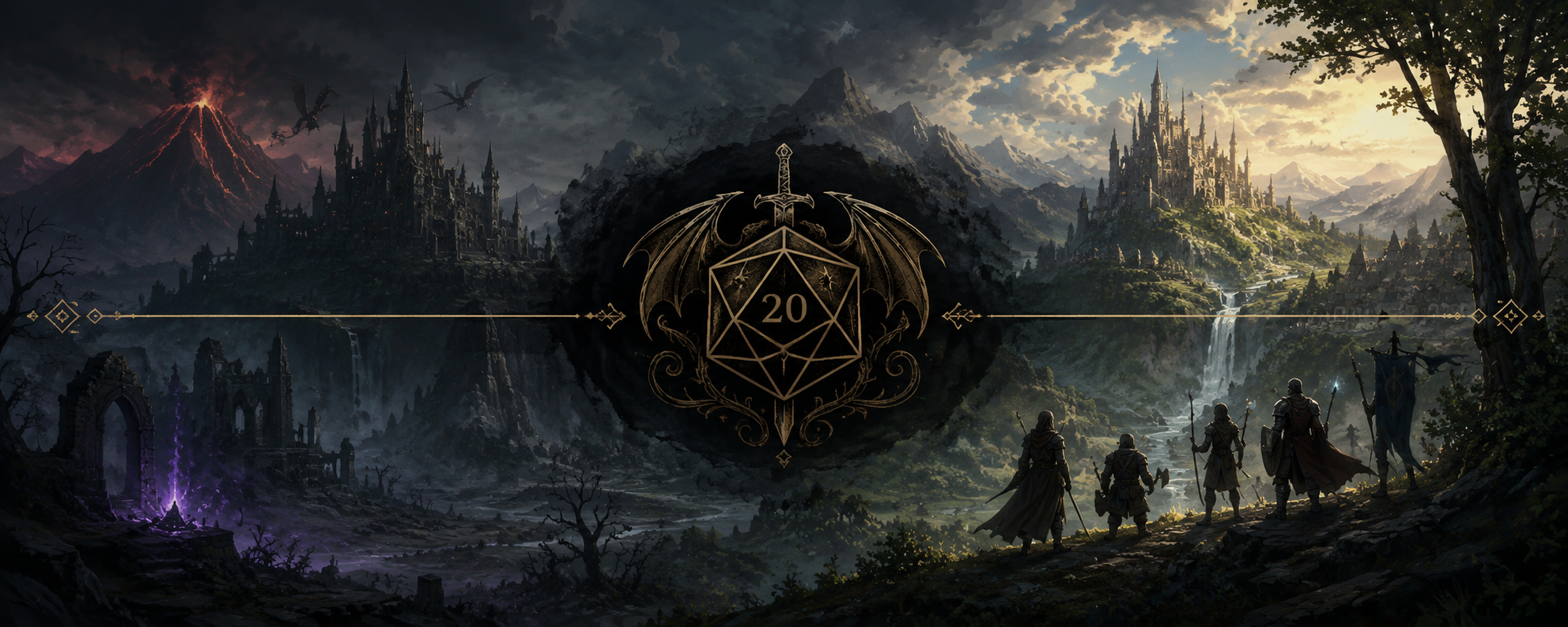
Tone and Mood: Heroic, Dark, Horror, Comedy — What's Your Game?
Quick Answer: Choose a tone that matches your group’s expectations before picking a game system. Heroic fantasy like D&D 5e works best for most beginners, but always discuss preferences first—a mismatched tone ruins games faster than complex rules.
Tone shapes every moment of your tabletop RPG experience. It’s not about rules or dice—it’s about the feel of the game. A heroic fantasy where players slay dragons feels wildly different from a horror game where they flee from them. Before picking a system, ask: What emotions do we want to explore?
Why Tone Matters More Than Rules Weight for First-Timers
New players often fixate on rules complexity (“Is this game hard to learn?”), but tone determines whether your group likes playing. A grim survival horror RPG will flop if your table wants slapstick comedy, no matter how simple the rules are.
Tone affects:
- Player expectations: If you pitch a dark political thriller but run a lighthearted heist, players will feel misled.
- Game mechanics: Horror games often limit player power to sustain tension, while heroic games let players feel unstoppable.
- Table dynamics: A gritty game needs buy-in on serious themes; comedy thrives on goofy improvisation.
Example: Dungeons & Dragons defaults to heroic fantasy—players expect to win. If you want a desperate fight for survival, you’ll need to modify it heavily or pick a system like Mörk Borg instead.
Heroic Fantasy — Adventure and Victory
Heroic fantasy is the “default” for many RPGs. Players are powerful, conflicts are clear (good vs. evil), and the tone is optimistic. Think Lord of the Rings or Avatar: The Last Airbender—struggles exist, but heroes prevail through courage and teamwork.
Why it works for beginners:
- Easy to grasp: Players know they’re the “good guys.”
- High agency: Players expect to influence the world meaningfully.
- Low emotional risk: No deep trauma or moral ambiguity.
Pitfalls to avoid:
- Bland villains: A generic “evil wizard” can feel forgettable. Give antagonists motives, even if they’re simple.
- Power imbalance: If one player overshadows others, it kills teamwork.
Systems to try: D&D, Pathfinder, 13th Age.
Dark and Gritty — Struggle and Consequence
Dark fantasy or gritty realism focuses on hardship. Players aren’t invincible heroes—they’re scrappy underdogs. Resources like food, ammunition, or sanity are scarce. Think Game of Thrones or The Witcher.
Why it’s tricky for beginners:
- Requires maturity: Themes like betrayal, loss, or moral gray areas can upset some players.
- Punishing mechanics: Games like Warhammer Fantasy Roleplay include critical fumbles that maim characters.
How to make it work:
- Session Zero: Discuss triggers and establish boundaries.
- Clear stakes: Players should know death is possible but avoid “gotcha” moments.
Systems to try: Mörk Borg, Warhammer Fantasy Roleplay, Blades in the Dark.
Horror — Fear and Dread at the Table
Horror RPGs thrive on tension and the unknown. Players aren’t just fighting monsters—they’re afraid of them. The tone is slow-burn dread, not action. Think Alien or The Call of Cthulhu.
Challenges for new players:
- Pace: Horror requires patience. Rushing kills the mood.
- Player vulnerability: Characters are often powerless, which frustrates some.
Tips for success:
- Atmosphere: Dim lights, music, and descriptive narration heighten fear.
- Consequences: Let players almost escape—then twist the knife.
Systems to try: Call of Cthulhu, Dread, Ten Candles.
Comedy and Whimsy — The Lighter Side
Comedy RPGs embrace absurdity, parody, or lighthearted fun. Think Monty Python, Gravity Falls, or The Princess Bride. Rules often bend for laughs.
Why beginners love it:
- Low pressure: Mistakes become punchlines.
- Creativity: Players can suggest ridiculous solutions.
Potential issues:
- Tone whiplash: If half the group wants serious play, jokes fall flat.
- Over-reliance on improv: Shy players might struggle.
Systems to try: Paranoia, Toon, Honey Heist.
Matching Tone to Your Group Before You Buy
Don’t assume your group wants the same tone you do. Here’s how to align expectations:
- Ask directly: “Do we want a game where we feel powerful, or one where we barely survive?”
- Test the waters: Run a one-shot in a new tone before committing.
- Check content warnings: Horror and dark fantasy need consent.
Example questions for Session Zero:
- “Is permanent character death okay?”
- “Are we comfortable with body horror or graphic violence?”
- “Should villains be silly or terrifying?”
Final tip: If your group disagrees, compromise. A heroic game with occasional dark moments (or vice versa) can satisfy everyone.
Frequently Asked Questions
Q: Can I mix tones in one campaign?
Yes, but establish a dominant tone first—a heroic campaign with occasional horror moments works better than constant shifts between slapstick and grimdark.
Q: How do I know if my group prefers dark or heroic games?
Run a one-shot in each style using simple systems like D&D 5e for heroic and Call of Cthulhu for horror, then discuss preferences afterward.
Q: What if players want different tones?
Compromise with a middle-ground tone (e.g., heroic but with consequences) or alternate between lighter and darker story arcs.