The Wild Beyond the Witchlight
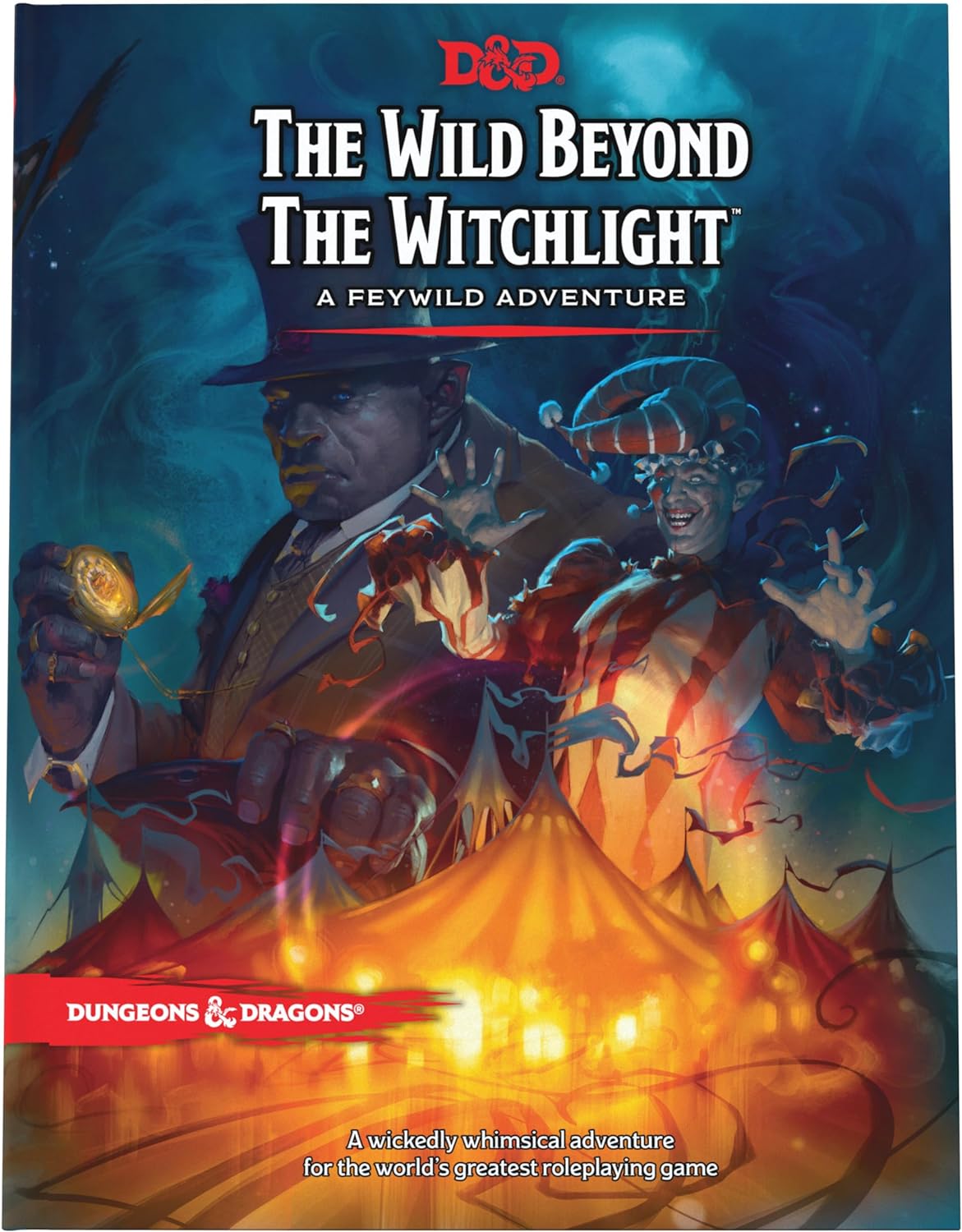
"The Wild Beyond the Witchlight" is a Dungeons & Dragons adventure set in the whimsical Feywild, where players explore a magical carnival and beyond. It’s designed for beginners but requires careful handling by the Dungeon Master (DM). This guide will help you decide if it’s a good fit for your group.
Verdict: "Wild Beyond the Witchlight" is a great first adventure for groups who love storytelling, exploration, and whimsy, but it’s not ideal for players who prefer combat-heavy games or DMs who struggle with improvisation.
“The Wild Beyond the Witchlight” is a Dungeons & Dragons adventure set in the whimsical Feywild, where players explore a magical carnival and beyond. It’s designed for beginners but requires careful handling by the Dungeon Master (DM). This guide will help you decide if it’s a good fit for your group.
Verdict: “Wild Beyond the Witchlight” is a great first adventure for groups who love storytelling, exploration, and whimsy, but it’s not ideal for players who prefer combat-heavy games or DMs who struggle with improvisation.
At a Glance
| System | Dungeons & Dragons 5e |
| Best for | Beginners and groups who enjoy roleplaying and whimsical settings |
| GM required | Yes |
| Player count | 3–6 |
| Session count | 8–12 sessions (25–40 hours) |
| Tone | Whimsical, fairytale, lighthearted |
The One-Sentence Verdict
“Wild Beyond the Witchlight” is a great first adventure for groups who love storytelling, exploration, and whimsy, but it’s not ideal for players who prefer combat-heavy games or DMs who struggle with improvisation.
Who This Adventure Is For
New Players Who Enjoy Roleplaying
This adventure is one of the most beginner-friendly published campaigns for Dungeons & Dragons. It encourages creative problem-solving over combat, making it less intimidating for new players who might be nervous about rules-heavy fights. For example, many encounters can be resolved through negotiation, trickery, or clever thinking—like convincing a bully to back down by outwitting them rather than swinging a sword.
DMs Who Like Improvisation and Storytelling
The adventure is packed with quirky characters and open-ended scenarios, which means the DM will need to think on their feet. If your group enjoys going off-script—like deciding to help a lost fairy instead of following the main quest—this adventure supports that style of play. However, this also means the DM must be comfortable making up details when players take unexpected turns.
Groups That Love Whimsy and Fairytale Logic
The Feywild is a realm where logic is fluid—time behaves strangely, deals have hidden consequences, and nothing is quite what it seems. If your group enjoys lighthearted, fairy-tale-inspired adventures (think Alice in Wonderland or Labyrinth), they’ll likely love this. For example, one chapter involves a palace where the rules change based on the mood of its ruler, creating unpredictable but fun challenges.
Who Should Skip It
Groups That Prefer Combat-Heavy Games
While there are combat encounters, many can be avoided, and the adventure doesn’t focus on tactical battles. If your group enjoys dungeon crawls or strategic fights, they may find this campaign frustrating. For example, one major antagonist can be defeated without a single attack roll, which might disappoint players who like rolling dice in combat.
DMs Who Want a Structured, Easy-to-Run Adventure
The book provides a lot of freedom, but that also means the DM has to fill in gaps. Some sections are vague, requiring extra prep work. For instance, the carnival at the start has many attractions, but the DM must decide how to run them in detail. If you prefer a tightly scripted adventure with clear step-by-step guidance, this might feel overwhelming.
Players Who Dislike Whimsy or Absurdity
The tone is lighthearted and often silly—characters include talking animals, mischievous sprites, and villains who are more comical than terrifying. If your group prefers dark, serious stories (like gothic horror or grimdark fantasy), this might not land well. For example, one major NPC is a giant snail who sells “insurance” to adventurers, which could feel jarring in a more serious campaign.
How Long Does Wild Beyond the Witchlight Take?
Estimated Playtime: 25–40 Hours
The length depends heavily on how much your group explores. The book is divided into five chapters, with the first (the carnival) taking 1–2 sessions (4–8 hours). The later chapters vary—some groups speed through in 3–4 sessions, while others spend twice as long uncovering secrets.
Pacing Can Be Uneven
The first half (the carnival and early Feywild exploration) is packed with content, but the later chapters can feel rushed if the DM doesn’t expand on them. For example, one chapter involves a heist-style mission that could be resolved quickly unless the DM adds extra challenges or complications.
Tips for Speeding Up or Slowing Down
- To go faster: Skip minor encounters or streamline NPC interactions. For example, if players aren’t interested in helping every lost fairy, you can focus on the main plot.
- To extend the game: Add side quests, like helping a hag’s former victims or exploring uncharted parts of the Feywild. The book provides hooks but leaves details to the DM.
What to Buy
The Only Essential Purchase
You only need The Wild Beyond the Witchlight to play. It includes:
- The full adventure (levels 1–8).
- Rules for running the carnival and Feywild.
- New character options (two races and two backgrounds).
Optional but Helpful Extras
- D&D Starter Set or Essentials Kit: If you’ve never played before, these provide basic rules and dice.
- Dungeon Master’s Guide: Useful for expanding on the adventure’s loose sections.
- Miniatures or Maps: The carnival and Feywild locations benefit from visual aids, but you can also sketch your own.
What You Don’t Need
- The Monster Manual or Player’s Handbook—all necessary stat blocks and rules are included.
- Expensive terrain or props—theatre of the mind works well for this story-driven campaign.
Play This Next
If You Loved the Whimsy: Strixhaven: A Curriculum of Chaos
Another low-combat, high-roleplaying adventure set in a magical school. Like Witchlight, it focuses on storytelling and quirky characters.
If You Want More Structure: Lost Mine of Phandelver
A classic beginner adventure with a clearer balance of combat, exploration, and roleplaying. Good for groups who found Witchlight too open-ended.
If You Want Darker Fey Themes: Van Richten’s Guide to Ravenloft
Introduces horror elements to the Feywild’s whimsy, perfect for groups who liked the setting but wanted more tension.
Frequently Asked Questions
Q: Can I run this adventure for a group of experienced players?
Yes, but adjust expectations—the whimsical tone and low combat focus may not suit all groups, especially those used to more traditional, combat-heavy campaigns.
Q: Is this adventure suitable for young players?
Absolutely! Its lighthearted tone, lack of graphic violence, and fairytale-like setting make it a great choice for younger audiences or family-friendly groups.
Q: Do I need to purchase additional books to run this adventure?
No, the adventure includes all necessary rules and stat blocks. However, the Dungeon Master’s Guide can be helpful for expanding on certain sections.