Keys from the Golden Vault
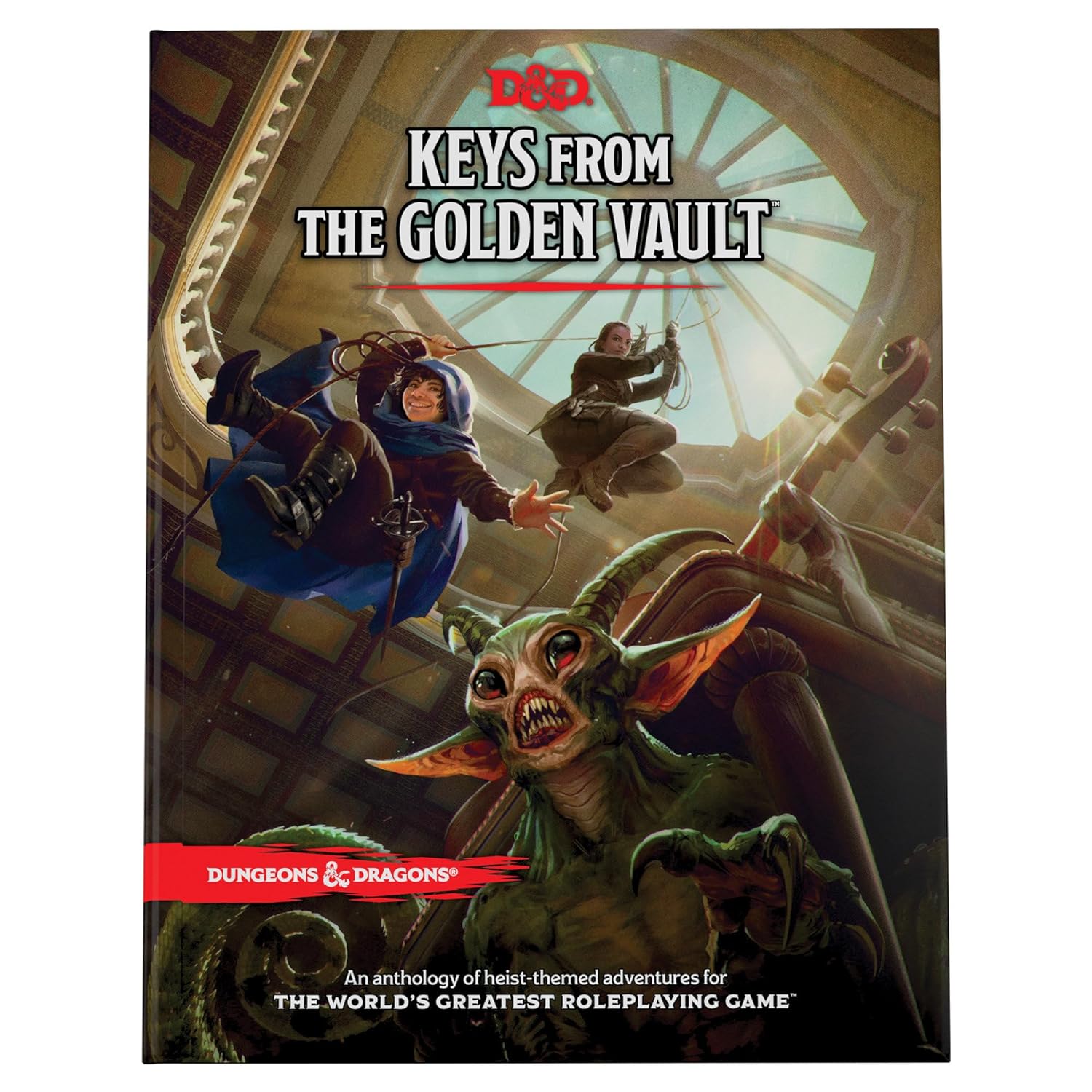
If you're new to Dungeons & Dragons and want a heist-themed adventure, Keys from the Golden Vault offers 13 standalone missions where players plan and execute thefts. It’s fun but requires extra work from the Dungeon Master (DM) to run smoothly—especially for beginners.
Verdict: Play Keys from the Golden Vault if your group loves strategic heists and problem-solving, and you’re a DM willing to put in extra prep time—skip it if you prefer combat-focused adventures or are a beginner DM looking for something straightforward.
If you’re new to Dungeons & Dragons and want a heist-themed adventure, Keys from the Golden Vault offers 13 standalone missions where players plan and execute thefts. It’s fun but requires extra work from the Dungeon Master (DM) to run smoothly—especially for beginners. This guide explains what to expect so you can decide if it’s right for your group.
Verdict: Play Keys from the Golden Vault if your group loves strategic heists and problem-solving, and you’re a DM willing to put in extra prep time—skip it if you prefer combat-focused adventures or are a beginner DM looking for something straightforward.
At a Glance
| System | Dungeons & Dragons 5th Edition |
| Best for | Groups who enjoy strategic heists over combat |
| GM required | Yes |
| Player count | 3–6 players |
| Session count | 2–4 hours per heist (13 total) |
| Tone | Gritty/cinematic heist thriller |
The One-Sentence Verdict
Keys from the Golden Vault is a solid pick for groups who love planning heists, but it’s harder to run than a typical D&D adventure and works best for DMs willing to put in extra prep time.
Who This Adventure Is For
This book is ideal for groups who enjoy strategy, problem-solving, and creative thinking over straight-up combat. Each mission is a self-contained heist, meaning players must gather intel, scout locations, and find ways to bypass security—whether by stealth, disguise, or clever spell use. For example, one mission involves stealing a magical painting from a noble’s party, requiring players to blend in as guests or find hidden routes into the estate. If your group likes Ocean’s Eleven or Mission: Impossible, they’ll likely enjoy this.
It’s also good for DMs who want flexibility. Since the heists are standalone, you can run them in any order, skip ones that don’t fit your group, or drop them into an existing campaign. The book provides clear maps and multiple approaches for each mission, so you’re not locked into a single solution. However, this freedom means the DM must be comfortable improvising when players go off-script—because they will.
That said, this isn’t for groups who prefer dungeon crawls or straightforward fights. While combat can happen, brute-forcing your way through a heist often leads to failure. Players who charge in swinging swords might get frustrated when guards swarm them or alarms trigger. The book assumes players will think creatively, so if your group dislikes planning or gets stuck on puzzles, they might struggle.
Who Should Skip It
New DMs who aren’t confident improvising should think twice. Unlike some beginner-friendly adventures, Keys from the Golden Vault doesn’t hold your hand. Missions are open-ended, and the book expects you to adjust on the fly when players surprise you. For example, if the party decides to bribe a guard instead of sneaking past, the book won’t always give you exact dialogue or consequences—you’ll need to make those calls yourself. If you’re still learning the rules or how to balance encounters, this might feel overwhelming.
Groups that dislike slow-paced, detail-heavy sessions might also bounce off this. Heists require planning, and some missions start with days or weeks of in-game prep—researching targets, gathering tools, and casing locations. If your group prefers fast-paced action or gets bored during planning phases, they might find these sections tedious. One mission involves infiltrating a flying castle, but before that, players must figure out how to even get up there, which could take a full session of brainstorming and rolls.
Lastly, if your group struggles with teamwork, this might not be the best fit. Heists rely on coordination, and players who go rogue or refuse to collaborate can derail the mission. For example, one player setting off an alarm early can ruin hours of careful planning for everyone else. If your group has a history of infighting or lone-wolf antics, this could lead to frustration.
How Long Does Keys from the Golden Vault Take?
Each heist is designed to last 2–4 hours, but in practice, many run longer—especially with newer groups. Planning phases can eat up time if players overthink or debate options. For example, one mission involves stealing a gem from a museum, and players might spend an hour just arguing over whether to disguise themselves as workers, sneak in at night, or cause a distraction. The book’s estimates assume a focused group, but beginners often move slower.
The entire book contains 13 heists, so if you run them all, you’re looking at 26–52 hours of gameplay. However, most groups won’t play every mission. Since they’re standalone, you can easily skip ones that don’t interest you or mix them into a larger campaign. For example, if your party is traveling through a city, you could drop in the bank heist as a side quest. This modularity is a strength, but it also means the book doesn’t tell a continuous story—if you want a long, connected narrative, you’ll need to homebrew links between missions.
Sessions can also run short if the party fails spectacularly. Heists are high-stakes, and a few bad rolls or poor decisions can lead to quick disaster. For instance, if the party triggers an alarm in the first 10 minutes and guards swarm them, the mission might end abruptly in a TPK (total party kill) or capture. Some groups enjoy this tension, but others might feel cheated if a mission ends too soon. The book offers advice on handling failure, but it’s something to be aware of.
What to Buy
Keys from the Golden Vault is all you need to run the heists, but a few extras can help:
- The D&D Starter Set or Player’s Handbook: If you’re brand new to D&D, you’ll need the basic rules for character creation and combat. The book assumes you know how to play.
- Battle Maps or Grid Paper: Many heists benefit from visual aids, especially when tracking guard patrols or stealth routes. You can sketch these yourself or use pre-made maps.
- Index Cards or Notes App: Keeping track of NPCs, clues, and player plans is crucial. Some DMs find it helpful to write down key info for quick reference during sessions.
Buy Keys from the Golden Vault here.
Play This Next
If your group enjoys Keys from the Golden Vault, try these next:
- Waterdeep: Dragon Heist: Another urban adventure with heist elements, but with a stronger overarching story. It’s more structured, making it easier for new DMs.
- Blades in the Dark: A standalone RPG all about heists, with rules designed for flashbacks and quick planning. Great if your group wants more focus on criminal escapades.
- Candlekeep Mysteries: If you liked the standalone mission format but want less pressure, this book offers shorter, puzzle-focused adventures with less prep required.
For groups that struggled, consider Lost Mine of Phandelver (a classic beginner adventure with clear goals) or Stormwreck Isle (even simpler, with more guided gameplay).
Frequently Asked Questions
Q: Can I run this with first-time players?
While possible, it’s better suited for groups with some RPG experience due to the heavy emphasis on planning and improvisation. New players may feel overwhelmed by the open-ended nature of the heists.
Q: Are the heists suitable for evil-aligned parties?
Yes! The missions are morally flexible - while some targets are clearly villainous, others are more ambiguous, letting players decide how “noble” their thieves are.
Q: How much combat is there?
Combat is minimal by design - most missions can be completed without fighting, but violence often escalates situations and makes objectives harder to achieve.